
Home
Ticket Timeline
Ticket Timeline

Track Every Tacoma Dome Game You've Attended

The Tacoma Dome opened in 1983 and still hosts concerts and sports. For one NBA season, 1994–95, it was the SuperSonics' home. Ticket Timeline helps you log every Sonics night you attended there, separate from Seattle buildings.
For iPhone & Android

Moments Witnessed at Tacoma Dome

Verified milestones and rare moments that actually happened in this building.

The Tacoma Dome opens

The Tacoma Dome opened on April 21, 1983, as one of the largest wood-domed arenas in the world, owned by the City of Tacoma. HistoryLink records the opening date and the building's public-assembly role.


1983

Tacoma Dome opening

David Bowie's Serious Moonlight tour

David Bowie played the Tacoma Dome on August 11, 1983, on the Serious Moonlight tour. HistoryLink identifies this as the building's first musical event. (A smaller opening-week booking is sometimes cited separately; this is the night the contemporaneous civic history names.)


1983

David Bowie Serious Moonlight Tour at Tacoma Dome

The SuperSonics' first home game at Tacoma Dome

Seattle beat Utah 110–103 in the SuperSonics' first home game at Tacoma Dome while Seattle Center Coliseum was rebuilt. Gary Payton scored 24; Detlef Schrempf had 26. Attendance was 16,324.


1994

Utah Jazz at Seattle SuperSonics, regular season

Sonics open the playoffs at Tacoma Dome

Seattle beat the Lakers 96–71 in Western Conference First Round Game 1 at Tacoma Dome. Nick Van Exel scored 29 for Los Angeles; the Lakers shot 35.4 percent. Attendance was 14,073.


1995

1995 NBA Western Conference First Round, Game 1

The SuperSonics' last home game at Tacoma Dome

Los Angeles beat Seattle 84–82 in First Round Game 2, the last SuperSonics home game at Tacoma Dome. Shawn Kemp scored 22. Attendance was 14,681. The Sonics returned to Seattle the next season.


1995

1995 NBA Western Conference First Round, Game 2

Ticket Timeline showing games you've attended at Tacoma Dome

Why track Tacoma Dome attendance?

If your stub says Tacoma Dome, that is this building — it still operates. The SuperSonics played one season here in 1994–95 while Seattle's arena was rebuilt. Kingdome basketball and Seattle Center Coliseum nights belong on those buildings, not this one. Concert stubs from this dome also belong here. Log Tacoma basketball on the SuperSonics game tracker; this page is the Tacoma building.

A 1994–95 Sonics stub that says Tacoma Dome is not a Kingdome night and not a Seattle Center Coliseum night. Ticket Timeline helps you pin each Tacoma game you attended to the real matchup and roster from that one displaced season.

  • Log SuperSonics home games you personally attended at the Tacoma Dome in 1994–95.
  • Match each night to real players, including the November 5, 1994 opener and the 1995 playoff games here.
  • Keep Kingdome and Seattle Center Coliseum basketball on those buildings; this page is Tacoma.
  • Count those games toward your wider NBA arena progress.
  • Import old stubs, spreadsheets, or Gmail confirmations instead of retyping every date.

Tacoma Dome at a glance

Facts that help date a stub. The building still operates; the NBA tenant was only one season.

  • Opened: April 21, 1983 — city-owned wood-dome arena in Tacoma
  • NBA tenant: Seattle SuperSonics, 1994–95 only, while Seattle Center Coliseum was rebuilt
  • Location: Tacoma, WA, USA
  • First Sonics home game here: November 5, 1994 vs. the Utah Jazz — not October 8
  • Still standing: Yes. The Tacoma Dome still hosts concerts, sports, and graduations.

Teams and leagues at Tacoma Dome

Follow the teams and league context connected to this building.

What You Can Track at the Tacoma Dome

Once a SuperSonics game from this building is in your timeline, Ticket Timeline surfaces the attendance story from your seats—not a league-wide feed.

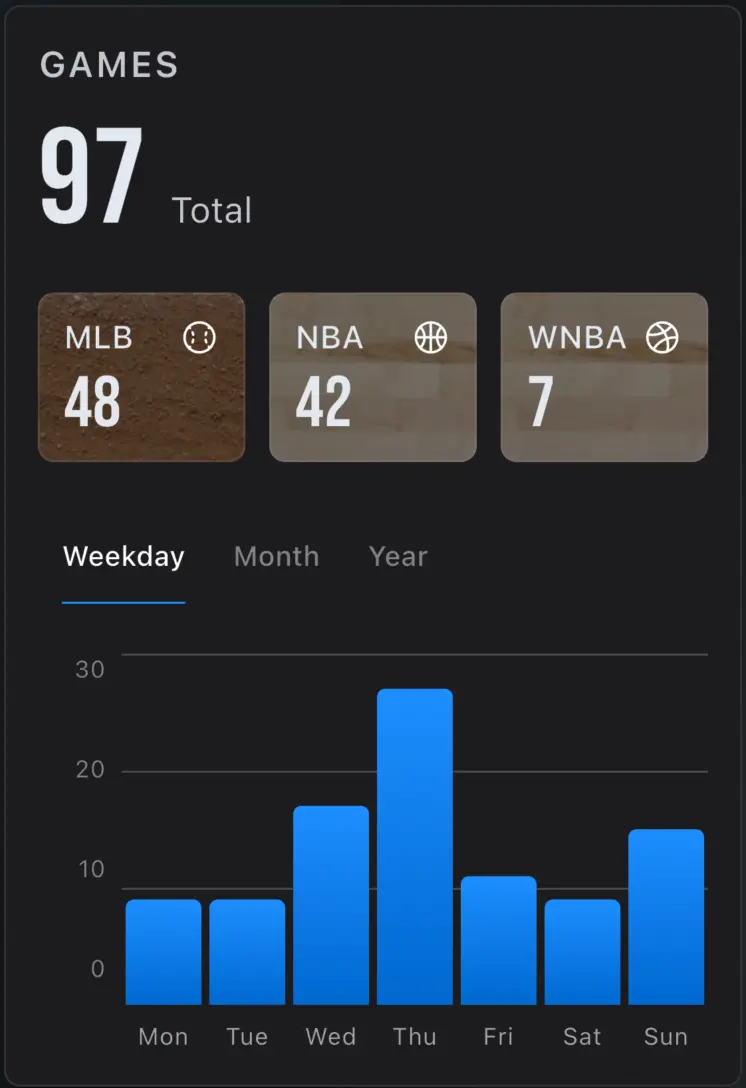
Games attended at the Tacoma Dome

Games You Attended Here

Log every game you were physically at in this building—matchups, dates, and scores tied to nights you actually had a ticket at the Tacoma Dome.
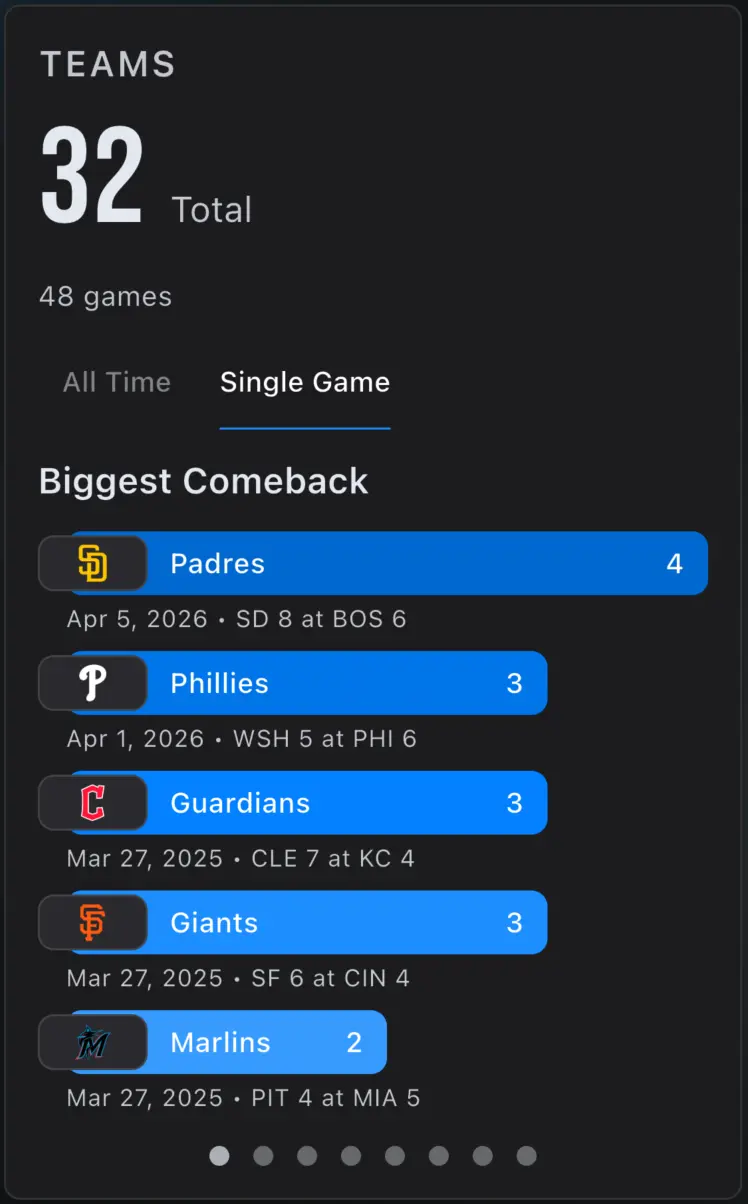
Players seen at the Tacoma Dome

Players You've Seen Here

Ticket Timeline matches each attended game to real rosters, so the athletes you watched in this building become part of your personal record.
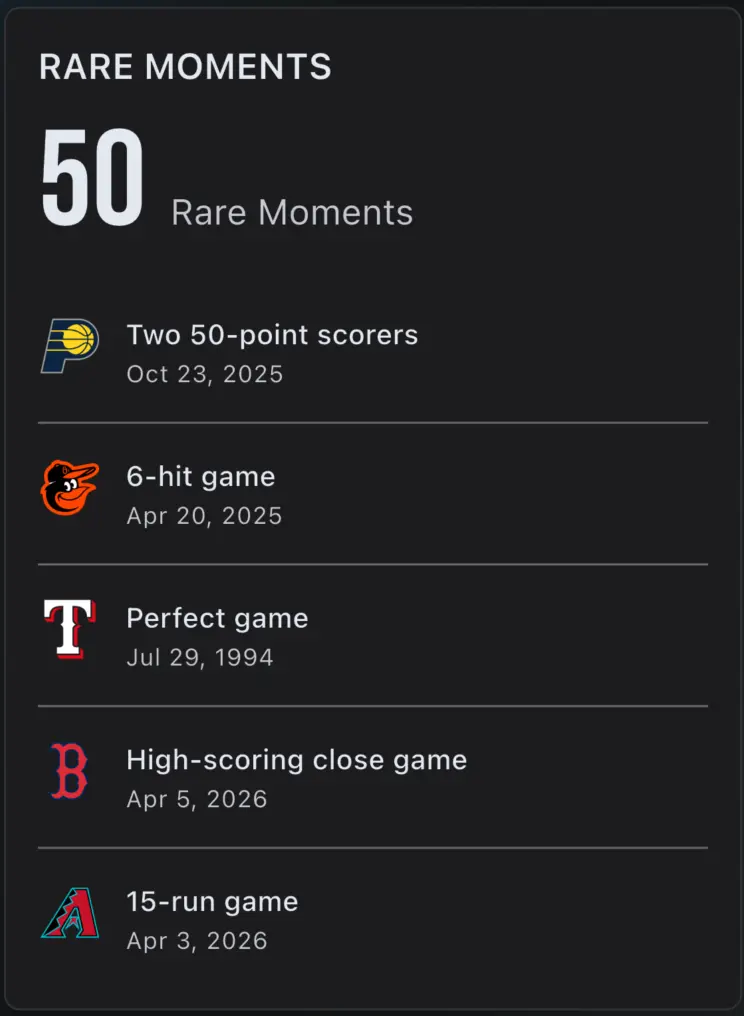
Milestones witnessed at the Tacoma Dome

Milestones Witnessed Here

Surface career highs, records, and rare moments that happened while you were in these seats—not league-wide highlights you only saw on TV.

Frequently Asked Questions

Can I track SuperSonics games I attended at the Tacoma Dome?

Yes. Ticket Timeline helps you log SuperSonics games you attended at the Tacoma Dome in 1994–95—including the November 5, 1994 home opener and the 1995 playoff games—along with the matchup, players, and moments tied to each game.

Did the SuperSonics play at the Kingdome or the Tacoma Dome?

Both, in different years. Kingdome basketball belongs on the Kingdome page. The 1994–95 home schedule was at the Tacoma Dome while Seattle Center Coliseum was rebuilt. Put the stub on the building it names.

Is the Tacoma Dome still operating?

Yes. The building still stands and still hosts concerts, sports, and graduations. The SuperSonics were a one-season tenant, not the building's whole life.

Can I see which players I watched at the Tacoma Dome?

Yes. Ticket Timeline matches each attended SuperSonics game to real box scores and rosters, so the players on the floor that night become part of your Tacoma Dome record.

Can I import old Sonics ticket stubs or spreadsheets?

Yes. Import a spreadsheet of attended games, scan ticket stubs, or import Gmail ticket confirmations. Ticket Timeline matches entries to NBA context so you are not retyping every Tacoma Dome date.

Does Ticket Timeline sell tickets?

No. Ticket Timeline does not sell tickets. It is a stat tracker for games you've already attended, built to help you explore the players, moments, and milestones you witnessed at the Tacoma Dome.

Start Tracking Your Tacoma Dome Nights

Download Ticket Timeline to turn every SuperSonics game you attended at the Tacoma Dome into a lasting personal record.