


Jim Fregosi hits for the cycle
Fregosi hit for the cycle at Angel Stadium, his second career cycle, during the Year of the Pitcher — one of the few offensive highlights in a low-scoring era.
165th
CYCLE IN MLB HISTORY
Angel Stadium of Anaheim has been the Los Angeles Angels home in Ticket Timeline's data since April 1, 1966—printed Anaheim Stadium at the start. Ticket Timeline helps you log every Angels game you attended there and keep Dodger Stadium and Los Angeles Wrigley Field nights on those earlier homes.
Verified milestones and rare moments that actually happened in this building.
Fregosi hit for the cycle at Angel Stadium, his second career cycle, during the Year of the Pitcher — one of the few offensive highlights in a low-scoring era.
165th
CYCLE IN MLB HISTORY
Wright blanked Oakland 4-0 at Anaheim Stadium — the first no-hitter in Angels history by a solo pitcher, from the journeyman righty in his best MLB season.
238th
NO-HITTER IN MLB HISTORY
Langston debuted for California with 7 no-hit innings vs. his former team, then Witt — himself a perfect game pitcher — closed out the 1-0 win.
5th
COMBINED NO-HITTER IN MLB HISTORY
The Anaheim Angels defeated the San Francisco Giants 4-1 in Game 7 to complete a dramatic series comeback and win the franchise's first championship.
1st
WORLD SERIES TITLE IN FRANCHISE HISTORY
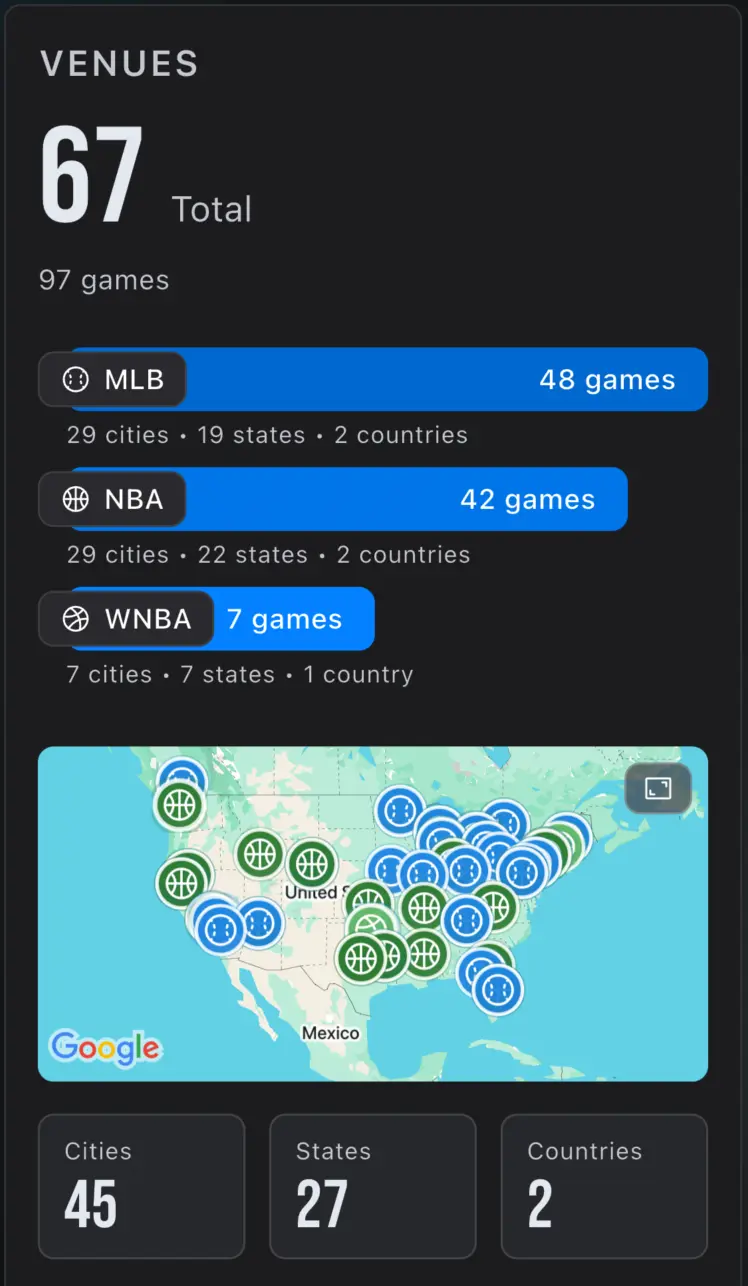
If your stub says Anaheim Stadium, that is this same Anaheim building under an earlier printed name — not a different ballpark. Angel Stadium of Anaheim is the later name. Angels nights belong on the Los Angeles Angels game tracker. Dodger Stadium and Los Angeles Wrigley Field were different homes. Log those nights on the team page; this page holds the Anaheim park those tickets share.
Whether your stub says Anaheim Stadium or Angel Stadium of Anaheim, Ticket Timeline helps you pin each Angels night you attended to the real matchup, roster, and ballpark era.
Key facts about the building—useful when dating an Anaheim Stadium stub. All sourced from Ticket Timeline's verified Angels team data.
Follow the teams and league context connected to this building.
Once an Angels game is in your timeline, Ticket Timeline surfaces the attendance story from your seats—not a league-wide feed.
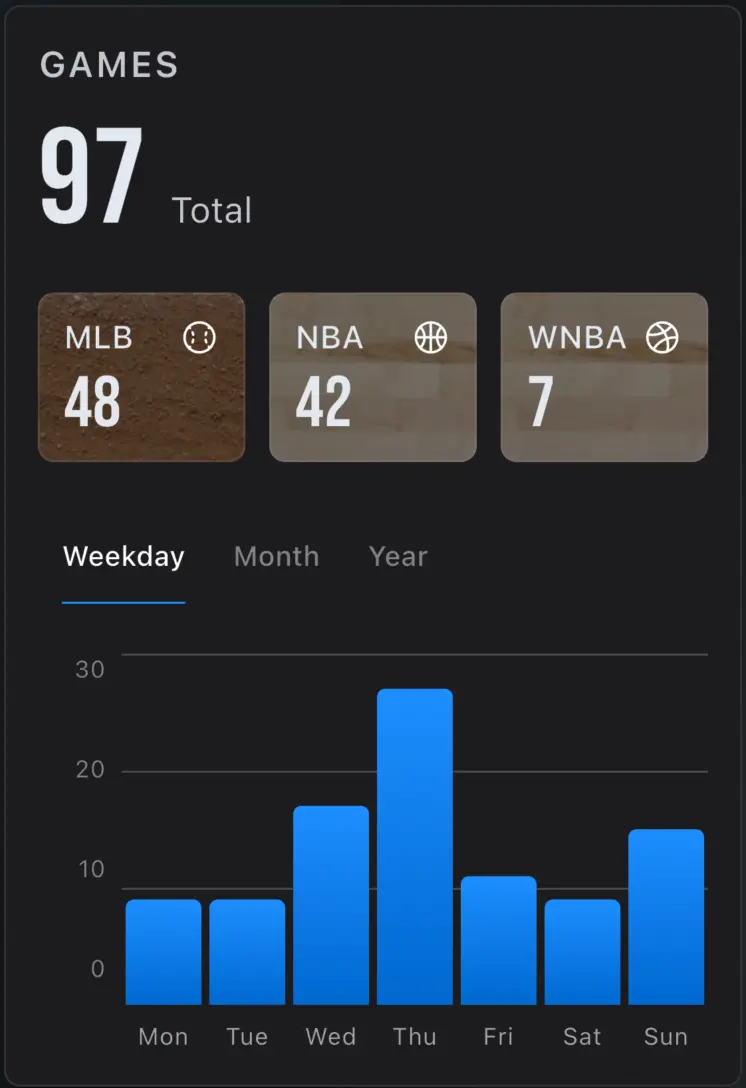
Log every Angels game you were physically at in this building—matchups, dates, and scores tied to nights you actually had a ticket.
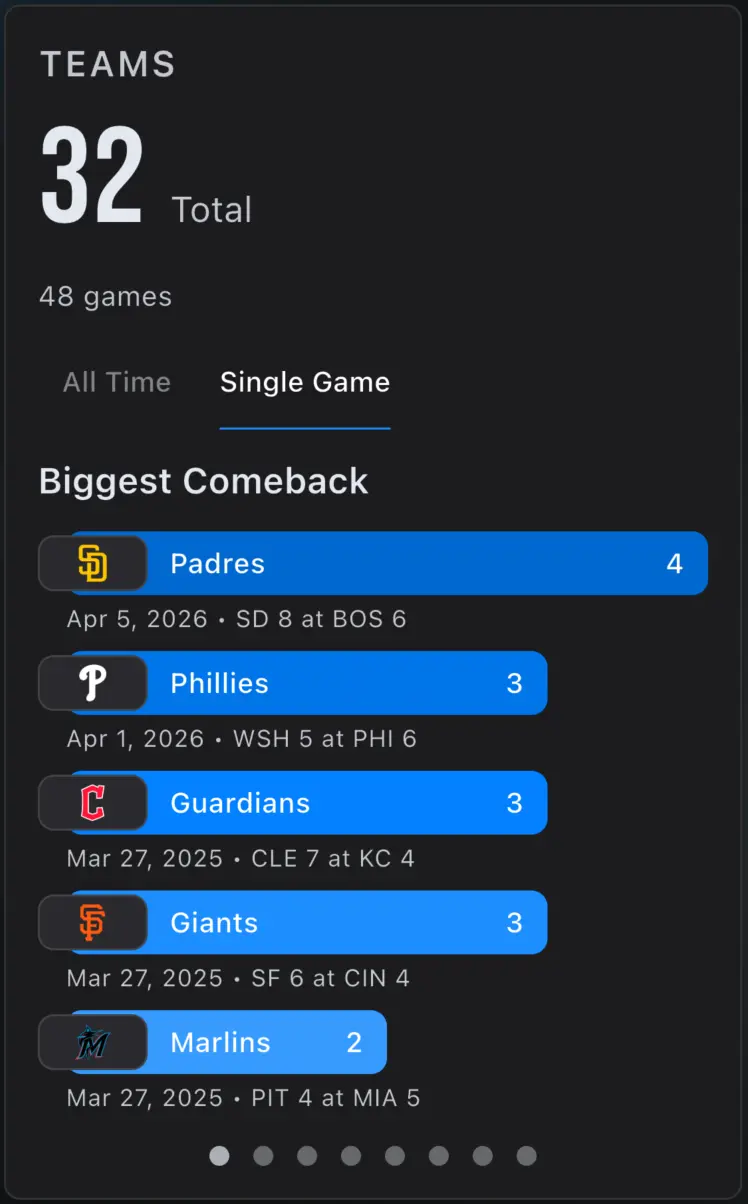
Ticket Timeline matches each attended game to real rosters, so the athletes you watched in this building become part of your personal record.
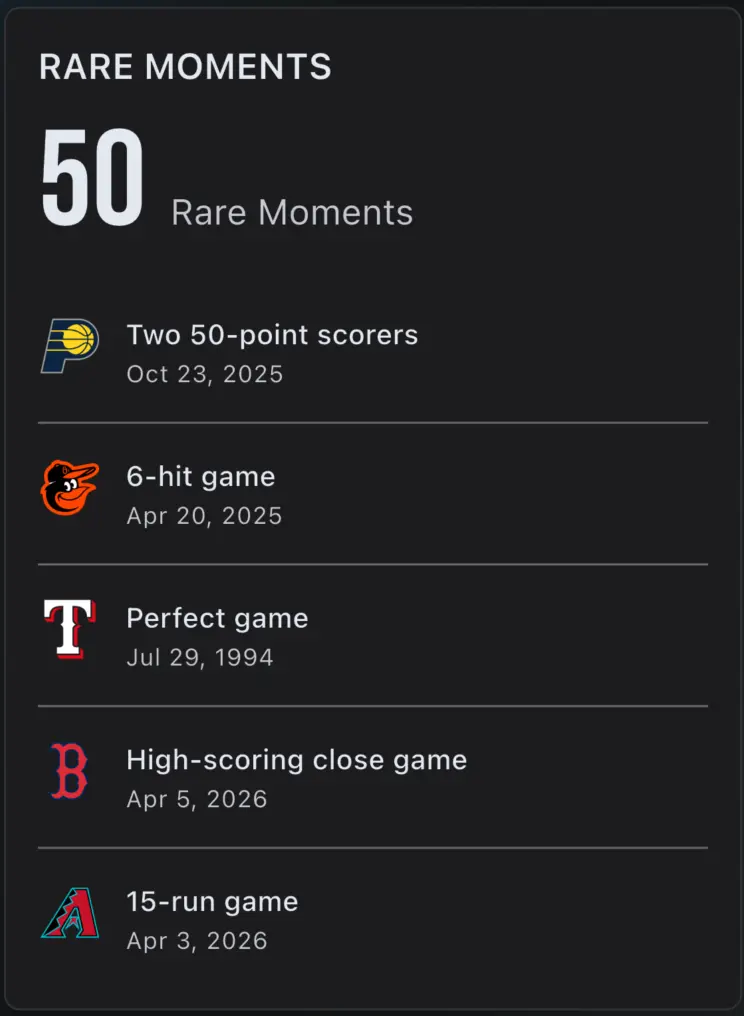
Surface career highs, records, and rare moments that happened while you were in these seats—not league-wide highlights you only saw on TV.
Yes. Ticket Timeline helps you track Angels games you attended at this Anaheim building—including nights whose tickets still say Anaheim Stadium—along with the matchup, players, and moments tied to each game.
Yes. Tickets printed Anaheim Stadium refer to Angel Stadium of Anaheim—the same building under its earlier printed name. The venue context still maps here.
No. Dodger Stadium was a different building. Ticket Timeline's Angels data places them there from 1962 through 1965, after a 1961 season at Los Angeles Wrigley Field. Nights at this Anaheim building start April 1, 1966.
Yes. Ticket Timeline matches each attended Angels game to real box scores and rosters, so the players on the field that night become part of your personal record—not just the final score.
Yes. Ticket Timeline helps you see ballpark progress across the Angels and MLB games you've attended, so nights here contribute to which parks you've been to.
No. Ticket Timeline does not sell tickets. It is a stat tracker for games you've already attended, built to help you explore the players, moments, and milestones you witnessed at Angel Stadium of Anaheim.
Download Ticket Timeline to turn every Angels game you attended at Angel Stadium of Anaheim into a lasting personal record.